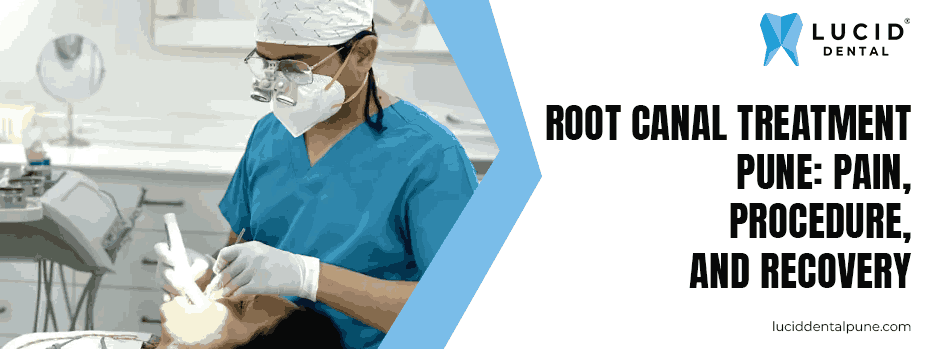
Dental pain can be one of the most distressing experiences, often interfering with daily life, sleep, and work. One common cause of a severe toothache is damage or infection to the tooth’s pulp, the soft tissue inside the tooth that contains nerves and blood vessels. In such cases, a root canal treatment Pune is often the most effective solution to relieve pain and preserve the natural tooth.
For residents of Pune, accessing high-quality dental care has become increasingly convenient, with many clinics offering modern techniques that make root canal procedures faster, less painful, and more reliable than ever before. Understanding what to expect during the treatment, how to prepare, and the recovery process can significantly reduce anxiety and ensure a smooth experience.
In this guide, we will walk you through everything you need to know about root canal treatment in Pune, from identifying the signs that you may need the procedure to step-by-step insights on how the treatment is performed, and finally, tips on managing recovery and maintaining oral health afterward.
Understanding Root Canal Treatment
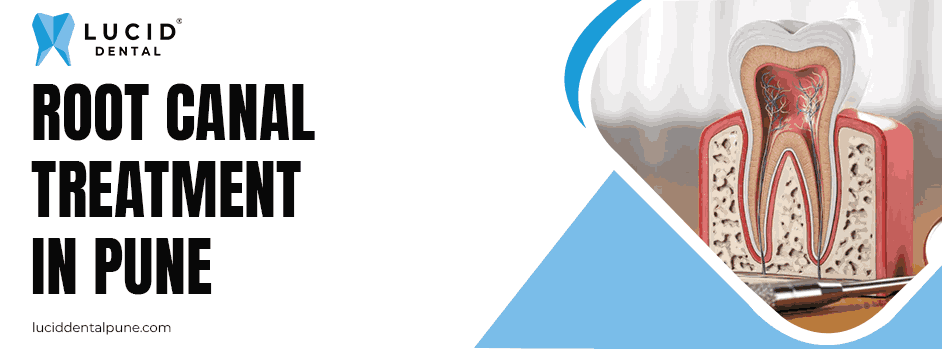
A root canal treatment Pune is a dental procedure that involves removing infected or damaged pulp from inside a tooth, cleaning and disinfecting the root canals, and then filling and sealing them. This treatment is designed to save a tooth that might otherwise require extraction due to severe decay or infection.
The pulp of a tooth contains nerves, connective tissue, and blood vessels, and when it becomes inflamed or infected due to deep cavities, cracks, or trauma, it can lead to intense pain and swelling. If left untreated, the infection can spread to surrounding tissues, causing abscesses or more severe health issues.
Root canal treatments are widely regarded as a safe and effective way to relieve pain while preserving your natural teeth. Thanks to advances in dental technology, modern procedures are much more comfortable than the traditional perception of “painful root canals.”
Signs You May Need a Root Canal
Recognising the symptoms early can prevent more serious dental complications. Some common signs include:
- Persistent toothache, particularly when chewing or applying pressure
- Prolonged discomfort from hot or cold temperatures that doesn’t go away quickly
- Swelling and tenderness in nearby gums
- Darkening or discolouration of the affected tooth
- Recurrent pimple-like bumps on the gums near the tooth
If you experience any of these symptoms, it is important to consult a dentist promptly. Delaying treatment can lead to more extensive damage and may necessitate tooth extraction.
The Root Canal Procedure
The root canal procedure generally involves several key steps:
- Examination and Diagnosis: The dentist begins with a thorough examination and X-rays to assess the extent of infection and the shape of the root canals.
- Local Anaesthesia: To ensure a pain-free experience, local anaesthesia is applied to numb the affected area. Most patients report minimal discomfort during this stage.
- Access Opening: A small opening is made in the crown of the tooth to reach the pulp chamber and root canals.
- Cleaning and Shaping: The infected pulp is carefully removed, and the canals are cleaned, disinfected, and shaped to prepare them for filling.
- Filling and Sealing: The cleaned canals are filled with a biocompatible material, usually gutta-percha, and sealed to prevent future infection.
- Restoration: Depending on the tooth’s condition, a crown or filling is placed to restore its structure, function, and appearance.
The procedure typically takes one or two appointments, depending on the severity of the infection and the complexity of the tooth’s root structure.
Pain Management During and After Treatment
Many people fear root canal treatment in Pune due to concerns about pain. Modern dentistry has made this largely unnecessary. With effective anaesthesia and sedation options, most patients experience little to no discomfort during the procedure.
Post-treatment discomfort is usually mild and can be managed with over-the-counter painkillers as recommended by your dentist. Some soreness or sensitivity around the treated tooth is common for a few days, but it should gradually subside. Applying a cold compress to the outside of your cheek can alsdentist in puneo help reduce swelling.
Recovery Tips and Oral Care
Following a root canal, taking proper care of your tooth and overall oral health is essential:
- Avoid chewing hard foods on the treated tooth until fully restored with a crown or filling.
- Maintain regular oral hygiene by brushing twice daily and flossing carefully.
- Attend follow-up appointments to ensure the tooth and surrounding gums are healing well.
- Limit sugary and acidic foods that can compromise dental health.
- Report any persistent pain, swelling, or signs of infection immediately.
With consistent dental care in Pune, a tooth that has undergone root canal treatment can last a lifetime.
Benefits of Root Canal Treatment
Choosing root canal treatment over extraction offers several advantages:
- Preserves Natural Teeth: Maintains your natural bite and jaw structure.
- Relieves Pain: Eliminates severe toothache caused by infection.
- Prevents Infection Spread: Stops bacteria from affecting neighbouring teeth or gums.
- Improves Oral Function: Allows normal chewing and speaking without discomfort.
Modern techniques also make the treatment quicker, safer, and less intimidating for patients than ever before.
Final Thoughts
Root canal treatment Pune is a highly effective solution for saving infected or damaged teeth, relieving pain, and restoring oral health. Understanding the procedure, managing expectations, and following post-treatment care guidelines can make the process smooth and stress-free.For anyone seeking a comfortable and professional root canal procedure, visiting a trusted clinic that offers advanced dental care is essential. For more information about root canal treatment, including procedures, recovery, and expert guidance, you can visit us at Lucid Dental. We provide modern, pain-free treatments designed to preserve your natural teeth and maintain long-term oral health.