A bright, confident smile can make a lasting impression, but tooth discolouration may affect the appearance of your teeth over time. Everyday habits, certain foods and drinks, ageing, and some dental conditions can cause stains that make teeth appear yellow, brown, or dull. However, not all stains are the same, and their causes often determine which whitening approach may be effective.
Professional teeth whitening treatment in Pune offers an option for people looking to improve the appearance of stained teeth under dental supervision. Understanding how whitening works on different types of stains can help you develop realistic expectations and make informed decisions about your dental care.
While some stains respond well to professional whitening, others may require alternative treatments. In this guide, we explore the common causes of tooth discolouration, explain how whitening treatments work, and discuss the factors that influence their results.
What Causes Different Types of Tooth Stains
Tooth stains are generally classified into three categories: extrinsic, intrinsic, and age-related discolouration. Identifying the type of stain helps a dentist recommend an appropriate treatment.
Extrinsic Stains
Extrinsic stains develop on the outer surface of the teeth, known as the enamel. They commonly result from frequent consumption of coffee, tea, red wine, and other strongly coloured foods and drinks. Tobacco use can also contribute to surface staining. These stains may initially appear yellow or brown and can become more noticeable over time if plaque and deposits accumulate.
How whitening helps: Professional whitening products contain bleaching agents, such as hydrogen peroxide or carbamide peroxide, that help break down coloured compounds responsible for discolouration. Depending on the severity of the staining, a dentist may also recommend professional cleaning before whitening to remove surface deposits.
Intrinsic Stains
Intrinsic stains develop within the tooth structure, beneath the enamel or within the dentine. They can result from certain medications, dental trauma, developmental conditions, or excessive fluoride exposure during tooth development. These stains may appear grey, brown, or yellow and can be more challenging to treat than surface discolouration.
How whitening helps: Professional bleaching may lighten some intrinsic stains, but results vary according to their cause and severity. Deep or persistent discolouration may respond less predictably. In such cases, a dentist may discuss alternatives such as dental bonding, veneers, or other appropriate restorative treatments.
Age-Related Discolouration
As people age, enamel gradually wears down, making the naturally yellowish dentine beneath it more visible. Years of exposure to staining foods, drinks, and tobacco can also contribute to changes in tooth colour.
How whitening helps: Professional whitening can reduce some age-related discolouration by lightening coloured compounds within the tooth. However, it cannot reverse enamel wear or address every underlying dental concern. Your dentist can assess whether whitening alone is likely to achieve your desired result.
How Does Professional Teeth Whitening Work
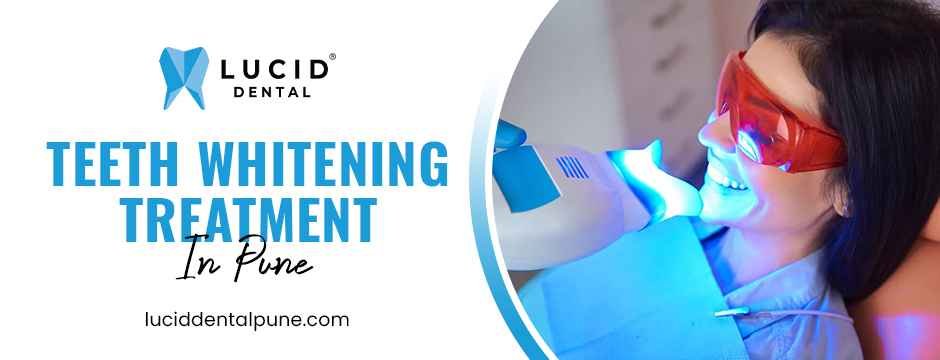
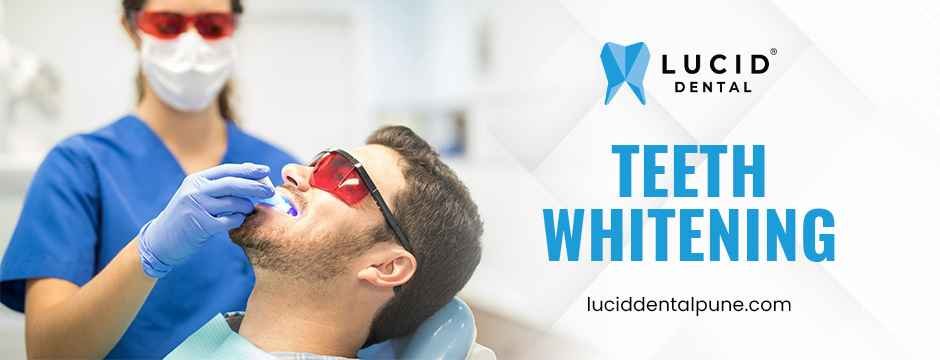
Professional teeth whitening in Pune uses carefully selected bleaching agents to lighten natural tooth colour. Hydrogen peroxide and carbamide peroxide are commonly used ingredients in whitening products.
These agents penetrate the tooth structure and react with coloured molecules, changing their chemical structure so that they absorb less visible light. As a result, the teeth may appear lighter.
A typical professional whitening process involves the following steps:
- Dental assessment: The dentist examines your teeth and gums, identifies the likely cause of discolouration, and checks for issues such as tooth decay or gum disease.
- Treatment planning: Based on your oral health and the type of stains, the dentist recommends a suitable whitening method.
- Preparation: The teeth are cleaned where necessary, and protective measures are used to minimise contact between the whitening agent and the gums.
- Whitening application: The selected product is applied according to the manufacturer’s instructions and the dentist’s treatment plan.
- Result assessment: The dentist evaluates the change in tooth shade and discusses any further treatment or maintenance that may be appropriate.
Treatment duration and results vary depending on the whitening method, the product used, and the nature of the stains.
Which Stains Respond Best to Teeth Whitening
Not every type of discolouration responds equally to whitening. Understanding the differences can help you set realistic expectations.
- Coffee and tea stains: These surface stains often respond well to professional cleaning and whitening, depending on their severity.
- Tobacco stains: Whitening may reduce yellow or brown discolouration, although longstanding stains can be more difficult to address.
- Yellow teeth: Yellowing caused by ageing or natural tooth colour may improve with bleaching, depending on the underlying cause.
- Brown or grey stains: Results depend on whether the discolouration is superficial or originates within the tooth.
- White spots and uneven patches: Whitening may not resolve these concerns and can sometimes make existing colour differences more noticeable temporarily.
- Discolouration in a single tooth: A tooth that darkens after an injury or root canal treatment may require a specific dental assessment and a treatment other than routine whitening.
It is important to remember that crowns, veneers, and tooth-coloured fillings do not whiten in the same way as natural teeth. Existing restorations may need separate consideration when planning cosmetic treatment.
Is Professional Teeth Whitening Safe for Different Types of Stains
Professional teeth whitening treatment in Pune is generally considered safe when suitable products are used correctly, and treatment is planned according to the patient’s oral health.
However, temporary tooth sensitivity and gum irritation can occur. The risk may be greater in people who already have sensitive teeth, exposed roots, enamel damage, or untreated dental problems.
Before whitening dental crowns in Pune, your dentist should check for tooth decay, cracked teeth, gum disease, and other conditions that may need treatment first. They can also advise whether whitening is appropriate for your specific type of discolouration.
Avoid using unregulated whitening products or abrasive home remedies, such as charcoal powders or acidic ingredients, as these may damage enamel or irritate the gums. Professional guidance helps you choose an approach that prioritises both appearance and oral health.
How Can You Maintain Your Whitening Results
The longevity of teeth whitening results depends on your diet, lifestyle, oral hygiene, and the original cause of discolouration. These habits can help maintain a brighter smile:
- Brush twice daily with fluoride toothpaste and clean between your teeth regularly.
- Limit frequent consumption of staining drinks such as coffee, tea, and red wine.
- Rinse your mouth with water after consuming strongly coloured foods or drinks.
- Avoid tobacco products, which can contribute to recurring stains and other oral health problems.
- Attend regular dental check-ups and appointments for professional dental cleaning Pune.
- Follow your dentist’s advice before using whitening products again.
There is no single whitening schedule that suits everyone. Repeated bleaching without professional guidance may increase sensitivity and irritate the gums, so discuss any further treatment with your dentist.
Final Notes
Understanding the type of tooth stains you have is an important step towards choosing an appropriate whitening solution. While extrinsic stains often respond well to professional whitening, intrinsic and age-related discolouration may require a more personalised approach. A dental assessment can help determine what results are realistic and whether alternative treatments may be more suitable.
If you are considering teeth whitening treatment in Pune, then you can trust us at Lucid Dental. We offer teeth whitening services to help patients explore options for a brighter smile. Visit us now to learn more about our services and arrange a consultation to discuss your whitening needs.
FAQs
1. Can teeth whitening remove all types of stains?
No, whitening does not remove every type of stain. Surface stains often respond well, while deep intrinsic discolouration may require alternative treatments, such as bonding or veneers.
2. How long does professional teeth whitening take?
Treatment time varies according to the whitening method, the product used, and the severity of staining. Your dentist can explain the expected duration during your consultation.
3. Is teeth whitening suitable for sensitive teeth?
It may be suitable for some people with sensitive teeth, but a dental assessment is important. Your dentist can recommend appropriate precautions or alternative options to minimise discomfort.
4. Does professional teeth whitening damage enamel?
When used correctly under appropriate dental guidance, whitening is generally considered safe. Incorrect use or excessive bleaching may increase sensitivity and cause gum irritation.
5. How can I prevent stains from returning after whitening?
Maintain good oral hygiene, limit staining foods and drinks, avoid tobacco, and attend regular dental check-ups to help preserve your whitening results.