Misaligned teeth are often considered a cosmetic concern. However, their effects can extend beyond the appearance of a smile. Crooked, crowded, or improperly positioned teeth can make daily cleaning difficult, affect the way upper and lower teeth meet, and sometimes cause discomfort while chewing. These problems may gradually affect oral health if they remain unaddressed.
An Orthodontist in Pune can assess these alignment concerns and determine whether orthodontic treatment is appropriate. Braces are among the commonly used options for gradually moving teeth into better positions. The process involves more than creating a straighter smile. It also considers bite function, tooth spacing, jaw relationships, and long-term dental health.
Understanding how misaligned teeth affect the mouth can help patients recognise when professional assessment may be useful.
Why Does Proper Tooth Alignment Matter for Oral Health?
Properly aligned teeth support comfortable biting, chewing, and speaking. Misalignment, including crowding, gaps, rotated teeth, overbites, and underbites, can affect tooth contact and pressure distribution.
These concerns can contribute to several difficulties:
- Cleaning challenges: Overlapping teeth create narrow spaces where toothbrush bristles and dental floss may not reach easily.
- Uneven biting pressure: Certain teeth may receive more force than others during chewing.
- Bite-related discomfort: An improper bite can sometimes contribute to jaw strain or difficulty biting into food.
- Increased plaque accumulation: Hard-to-clean areas can allow plaque to build up around crowded teeth.
- Tooth wear: Uneven contact between teeth may cause excessive wear on particular surfaces.
Not every alignment problem produces these complications. Nevertheless, identifying the underlying issue helps determine whether treatment is necessary.
How Can Misaligned Teeth Lead to Common Dental Problems?
The position of individual teeth influences several aspects of oral health. Some problems develop gradually, which means patients may not immediately connect them with dental alignment.
1. Increased Risk of Tooth Decay
Crowded teeth can trap food particles and plaque between overlapping surfaces, making proper cleaning difficult. Over time, plaque bacteria produce acids that weaken enamel and increase the risk of cavities.
Orthodontic treatment can improve tooth spacing and make cleaning easier. However, regular brushing, flossing, and dental check-ups remain essential, even with braces.
2. Gum Inflammation and Periodontal Concerns
Plaque accumulation can also affect gum health. When bacteria collect around the gumline, the surrounding tissues may become irritated.
Common warning signs include:
- Redness or swelling around the gums.
- Bleeding during brushing or flossing.
- Persistent bad breath.
- Tenderness around certain teeth.
- Gum recession in some cases.
Correcting significant crowding may make oral hygiene easier. However, existing gum disease needs appropriate periodontal care. Orthodontic treatment should be planned with the condition of the gums in mind.
3. Uneven Tooth Wear and Damage
Misaligned teeth can create uneven biting pressure, causing certain surfaces to experience excessive force. Over time, this may lead to uneven enamel wear, small chips, or cracks.
An orthodontic assessment evaluates how your teeth meet during chewing and identifies alignment issues that may contribute to uneven contact.
4. Difficulty Chewing Certain Foods
An improper bite can make chewing difficult, particularly for people with crowded teeth or open bites. For example, an open bite may prevent the front teeth from meeting, making it harder to bite into apples or sandwiches.
Braces can gradually improve tooth positioning and bite function. However, results depend on the severity of misalignment and whether additional jaw treatment is needed.
5. Jaw Discomfort and Muscle Strain
Certain bite problems may place extra pressure on the muscles and joints involved in chewing, sometimes causing jaw fatigue, clicking sounds, or discomfort.
However, these symptoms can have several causes, including temporomandibular joint disorders. A proper dental examination helps identify the underlying issue and determine whether orthodontic treatment is appropriate.
How Can an Orthodontist in Pune Identify and Address These Concerns?
An orthodontic assessment examines teeth, jaws, and facial structure to identify alignment problems and determine suitable treatment options.
Examining Tooth Position and Bite Relationships
The examination generally includes:
- Checking whether teeth are crowded, rotated, protruding, or spaced apart.
- Assessing how the upper and lower teeth meet.
- Evaluating overbite, underbite, crossbite, and open bite concerns.
- Examining the gums and surrounding oral tissues.
- Reviewing jaw movement and facial profile where relevant.
Depending on the case, dental X-rays, photographs, impressions, or digital scans may be recommended. These records help the specialist understand tooth positions and plan treatment more accurately.
Selecting a Suitable Treatment Option
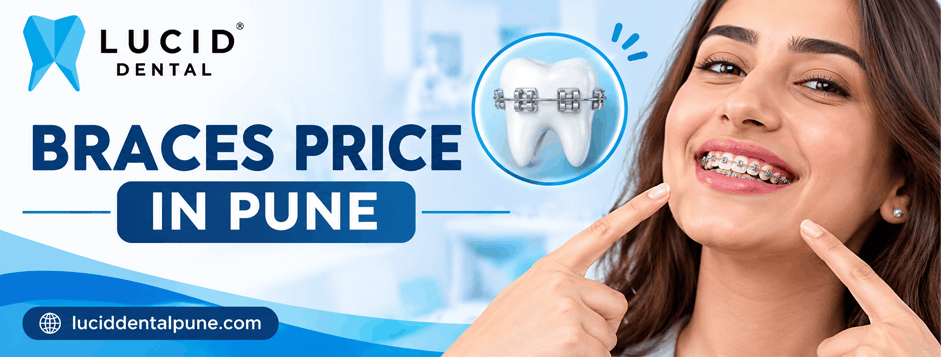
Not every patient requires the same type of braces. The choice depends on the alignment issue, treatment complexity, dental health, and individual preferences.
Common options include:
- Metal Braces: These use metal brackets attached to the teeth and connected through an archwire. They are commonly used for different types of alignment and bite concerns.
- Ceramic Braces: These work on a similar principle but use tooth-coloured or translucent brackets. Their appearance is generally less noticeable than conventional metal braces.
- Damon Braces: These self-ligating braces use a specialised clip mechanism to hold the archwire. They are available in metal and clear or ceramic variations.
A specialist considers the clinical requirements before suggesting an option. Appearance alone should not determine the treatment choice.
Why Does Timely Orthodontic Assessment Make a Difference?
Dental alignment concerns do not always require immediate correction. However, delaying an assessment can allow certain problems to continue affecting oral hygiene, tooth contact, or everyday comfort.
Early evaluation is particularly useful for children because their teeth and jaws are still developing. An initial orthodontic screening around the age of seven can help identify developing bite or alignment concerns. This does not mean every child needs braces at that age.
Adults can also benefit from orthodontic assessment. There is no single age limit for braces, provided the teeth and supporting gums are suitable for treatment.
An Orthodontist in Pune can evaluate whether treatment is needed immediately, whether monitoring is appropriate, or whether another dental procedure should come first.
What Should Patients Consider Before Starting Braces?
Braces treatment involves regular appointments and consistent oral care. Understanding the process beforehand can help patients prepare for the changes involved.
Here are some important considerations:
- Treatment duration: The time required depends on the severity of misalignment, the type of correction needed, and individual response to treatment. Some cases take considerably longer than others.
- Oral hygiene: Brushing around brackets requires extra attention. Special orthodontic brushes and interdental cleaning tools may help.
- Food choices: Hard, sticky, and chewy foods can damage brackets or wires. Patients may need to adjust their eating habits.
- Follow-up visits: Regular appointments allow the specialist to monitor progress and make necessary adjustments.
- Retention: After braces are removed, retainers help maintain the corrected tooth positions. Wearing them as instructed is important.
The braces price in Pune varies by appliance type, case complexity, treatment duration, and follow-up needs. A consultation helps determine the estimated cost.
Personalised Orthodontic Care for Better Dental Health
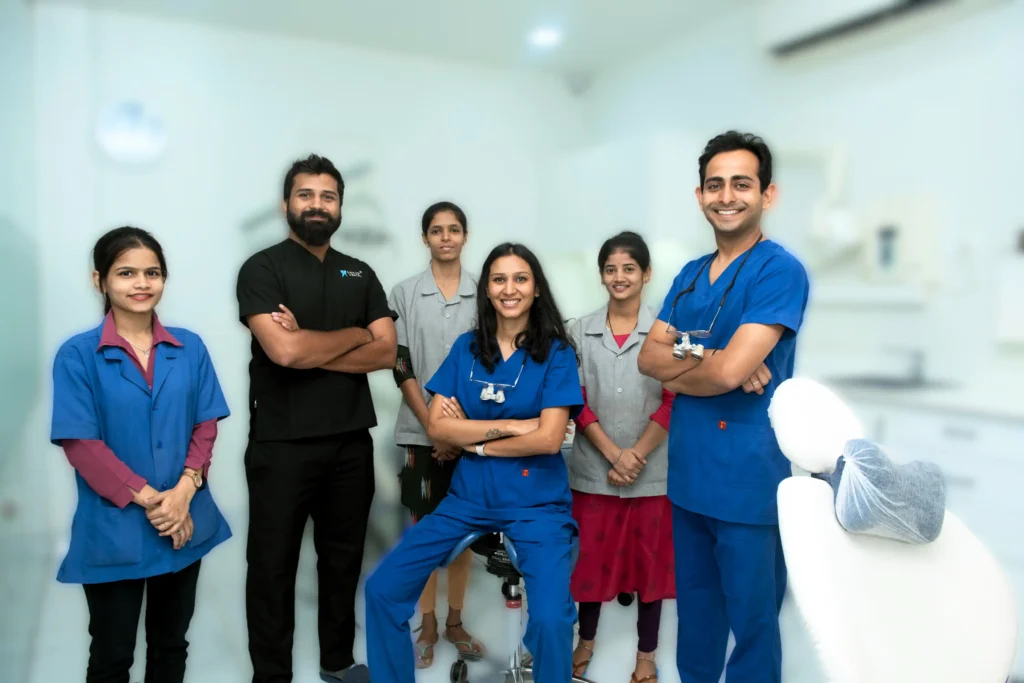
Choosing the right dental team matters when treatment involves changes to tooth position and bite function. At Lucid Dental, we focus on understanding your dental concerns before recommending an appropriate course of care.
Our approach includes an assessment of tooth alignment, bite relationships, smile, and facial profile. We consider these factors while discussing suitable treatment options, including metal, ceramic, and Damon braces. This allows us to explain the available choices in relation to your clinical requirements rather than relying on a standard treatment recommendation.
We provide personalised care, modern dental technology, and regular follow-ups to support your treatment journey. Book a consultation to discuss suitable solutions for crowded teeth or bite concerns.
Conclusion
Misaligned teeth can affect more than the appearance of a smile. They may make cleaning difficult, contribute to plaque accumulation, influence gum health, and interfere with comfortable chewing. Certain bite problems can also cause uneven tooth contact and excessive wear.
Braces can correct many alignment concerns by gradually repositioning teeth. However, successful treatment requires proper assessment, personalised planning, good oral hygiene, and regular follow-ups. Consulting an experienced Orthodontist in Pune helps you identify alignment issues and explore suitable treatment options.
Recognising alignment problems early can make it easier to understand the available treatments. If you notice persistent crowding, difficulty biting, or changes in the way your teeth meet, consider seeking a professional assessment. Taking the right steps can support better dental function and help maintain a healthier smile over time.
Frequently Asked Questions
1. Can misaligned teeth increase the risk of tooth decay?
Yes. Crowded or overlapping teeth can trap plaque and food particles, making cleaning difficult and increasing the risk of cavities over time.
2. Can braces improve gum health?
Braces can correct crowding and make teeth easier to clean. However, existing gum disease requires appropriate periodontal treatment alongside orthodontic care.
3. At what age should a child visit an orthodontist?
An initial orthodontic screening around age seven can help identify developing bite or alignment concerns. It does not mean braces are immediately necessary.
4. Which types of braces are available for correcting misaligned teeth?
Common options include metal, ceramic, and Damon braces. The suitable choice depends on tooth alignment, bite concerns, treatment complexity, and clinical assessment.
5. How long does orthodontic treatment with braces take?
Treatment duration varies according to misalignment severity, correction requirements, and individual response. Your orthodontist can estimate the timeline after examining your teeth.