Losing one or more teeth can affect your confidence, eating habits, speech, and overall oral health. Fortunately, modern dentistry offers several effective ways to replace missing teeth. Dental implants and dentures are two of the most widely used options, but they differ significantly in terms of stability, comfort, appearance, maintenance, and long-term benefits.
A dental implant clinic in Pune can help you understand these differences and determine which option may suit your needs. Dental implants are fixed into the jawbone and are designed to function much like natural teeth. Dentures, on the other hand, are removable appliances that replace missing teeth and surrounding tissues. Your choice may depend on factors such as bone health, number of missing teeth, lifestyle, treatment timeline, and budget. Understanding the pros and cons of both options can help you make a confident and informed decision about restoring your smile.
Understanding the differences can help you have a more informed conversation with your dentist. In this guide, we compare dental implants and dentures based on stability, appearance, comfort, maintenance, durability, cost, and suitability.
What Are Dental Implants
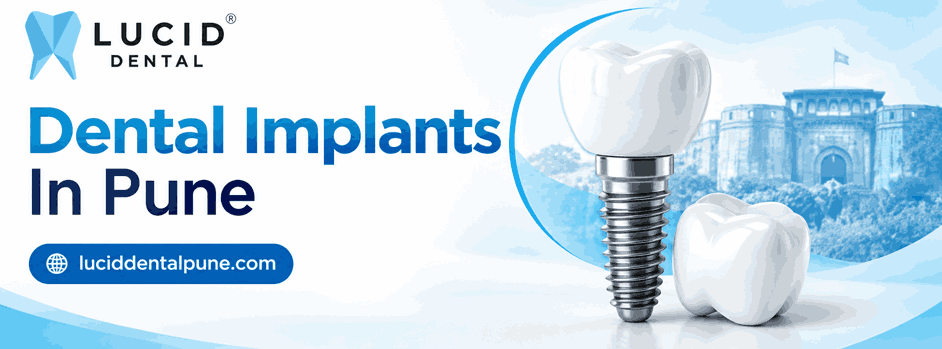
Dental implants are fixed tooth replacement solutions designed to replace missing teeth. An implant consists of a small post, usually made from titanium, that is surgically positioned in the jawbone. Once the implant integrates with the surrounding bone, it can support an abutment and dental crown.
For patients with several missing teeth, implants from a reliable dental implant clinic in Pune can also support bridges or implant-retained dentures. One major advantage of implants is that they replace the tooth root as well as the visible tooth. This provides a stable foundation for the replacement tooth and can help maintain the jawbone around the implant.
What Are Dentures
Dentures are removable appliances designed to replace missing teeth. Depending on the number of missing teeth, you may require either partial or complete dentures. Partial dentures replace several missing teeth while retaining some natural teeth. Complete dentures are used when all teeth in an upper or lower arch are missing.
Modern dentures can be designed to resemble natural teeth and gums. They can improve chewing and speech while restoring the appearance of your smile. However, dentures are removable and may require regular adjustments as the mouth changes over time.
Dental Implants vs Dentures: Key Differences
Stability and Comfort
Dental implants are anchored into the jawbone, which gives them greater stability. They do not normally move while speaking or eating once fully integrated and restored. Dentures rest on the gums and may shift during certain activities. Adhesive products can sometimes improve stability, particularly for removable dentures. For people who want a fixed tooth replacement, implants may offer greater comfort and confidence.
Appearance
Both implants and modern dentures can provide natural-looking results. Dental implants, however, are designed to function similarly to natural teeth. The dental crowns in Pune can be customised to match the colour, shape, and size of your surrounding teeth. Well-fitted dentures can also create an attractive smile. However, their appearance and fit may change if the underlying jawbone and gum tissues change over time.
Chewing and Eating
Missing teeth can make it harder to chew certain foods. Dentures can restore much of this function, but some patients may need time to adjust to eating with them. Dental implants provide a stable foundation because they are anchored in the jaw. This can make chewing feel more natural compared with removable dentures. However, the outcome depends on factors such as the number of implants, overall oral health, and the type of restoration used.
Durability
Dental implants in Pune are designed as a long-term tooth replacement solution. With appropriate oral hygiene and regular dental check-ups, implants can remain functional for many years. With proper care and regular maintenance, dentures can remain functional for several years. However, they may eventually need adjustment, repair, or replacement because of normal wear and changes in the mouth. The lifespan of either option depends on factors such as oral hygiene, lifestyle, general health, and professional maintenance.
Maintenance
Caring for dental implants is generally similar to maintaining your natural teeth. Regular brushing, flossing, and professional dental cleanings are important for maintaining healthy gums around implants. Dentures require a different cleaning routine. They usually need to be removed and cleaned separately. Patients may also need to remove them overnight, depending on their dentist’s recommendations. Good hygiene is essential for both options.
Treatment Time
Dentures can usually be provided relatively quickly once the necessary dental assessments have been completed. Dental implants require a longer treatment process. After implant placement, the jawbone needs time to integrate with the implant. The overall timeline can vary depending on the patient’s healing, bone condition, and whether additional procedures are required. Although implants may require more time initially, they are designed to provide a fixed, long-term solution.
Cost
The initial dental implant cost in Pune is generally higher than that of conventional dentures. This is partly because implant treatment involves surgical placement, implant components, and customised restorations. Dentures can be a more affordable initial option, particularly when several or all teeth need replacement. However, cost should not be the only factor when comparing the two. Patients should also consider longevity, maintenance, comfort, and long-term oral health. A dentist can provide a personalised estimate after assessing your teeth, gums, and jawbone.
What Should You Consider Before Choosing
Before deciding between implants and dentures, a dentist will typically assess your oral health, gum condition, jawbone, number of missing teeth, and overall treatment goals. Your lifestyle and expectations are also important. Someone who frequently travels or participates in social activities may prefer the stability of fixed teeth. Another person may prioritise affordability or a shorter treatment timeline.
A comprehensive dental examination and appropriate imaging can help determine which option is suitable. It is also important to discuss the expected treatment timeline, maintenance requirements, potential procedures, and total cost before starting treatment.
Final Note
Choosing between dental implants and dentures from a dental implant clinic in Pune is an important decision that should be based on your oral health, lifestyle, expectations, and long-term goals. Dentures can offer a practical and removable way to replace missing teeth, while dental implants provide a stable, fixed solution that closely replicates the function of natural teeth.
If you are considering implant treatment and want professional guidance, then you can rely on us at Lucid Dental. Our dental implant services in Pune focus on assessing individual needs and planning appropriate implant treatment. You can learn more about our approach to dental implants by visiting our website now.
FAQs
1. Are dental implants better than dentures?
Dental implants can provide greater stability and a more natural-feeling replacement because they are anchored in the jawbone. However, dentures may be more suitable for some patients. Your dentist can recommend the appropriate option based on your oral health and individual needs.
2. Can dentures look like natural teeth?
Yes. Modern dentures can be customised to closely resemble natural teeth and gums. The fit, colour, and shape can be designed according to your facial features and existing teeth.
3. How long do dental implants last?
Dental implants are designed for long-term use and can last for many years with proper care. Regular dental check-ups, good oral hygiene, and healthy lifestyle habits can help maintain their function.
4. Can I get dental implants if I have bone loss?
Possibly. Some patients with insufficient jawbone may require a bone graft or another preparatory procedure before implant placement. A dental assessment and appropriate imaging are needed to determine whether implants are suitable.
5. Can dentures be replaced with dental implants later?
In many cases, patients who currently wear dentures may later be able to transition to implant-supported restorations. Suitability depends on factors such as bone health, medical history, and overall oral condition.